

Women 50+
Are the New
Entrepreneurial
Superpower
The women rewriting the rules of ambition.
There is a quiet revolution underway, and it is being led by women who have, in the parlance of the age, ‘been there’. They have decades of experience, run homes, raised children, and had careers. They have, in short, lived, and it is precisely that lived experience that is now proving to be their most formidable competitive advantage.
Not only are women 50+ the ultimate super consumers with 250 per cent more spending power than any other demographic on the planet, but these women have the clarity and the confidence to build something truly lasting. They are, as Forbes aptly termed them, encore entrepreneurs: women for whom the second act is, in every sense, now the main event.
The New Vanguard: Women Over 50 Rewriting the Rules of Success
Trinny Woodall
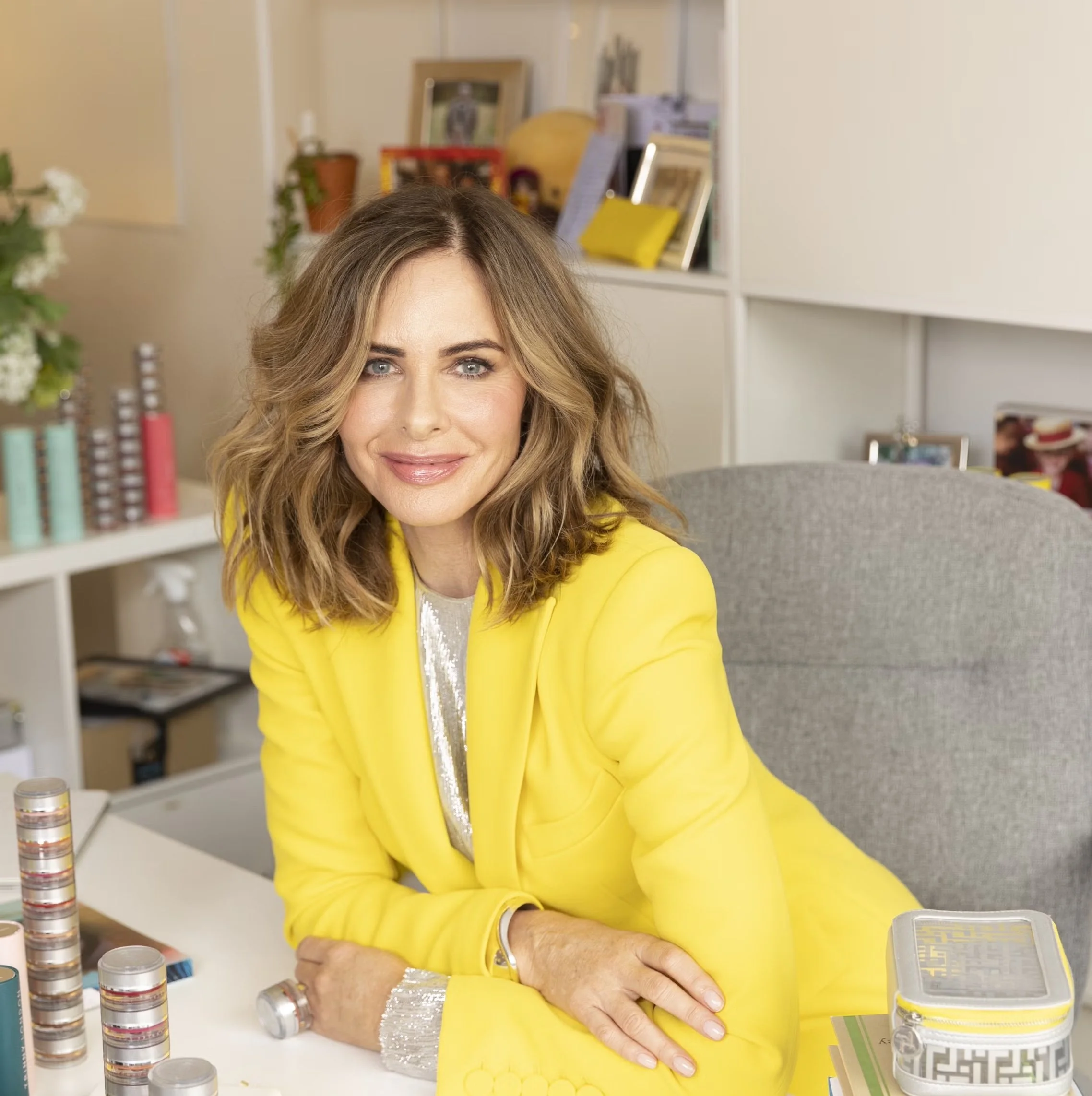
There is something almost cinematic about the origin story of Trinny London. Woodall, known to a generation of British women as the sharp-tongued co-presenter of What Not to Wear, is sitting at her kitchen table with a beauty idea and 250 rejections for investment. So she backed herself, sold her designer wardrobe and house to raise seed capital. She was 53. “The beauty world had forgotten women over 35,” she has said. “I wanted to create something that actually worked for us.” Woodall pioneered a social-first approach to beauty retail, broadcasting her daily makeup routine live on Instagram and building a community of over a million women who felt, for the first time, genuinely seen. Today, Trinny London is stocked in over 60 countries, with revenues of £70M and a valuation north of £185M.
“It goes to show it’s never too late to make that career change and go after your dream.”Visit Brand
Brooke Shields
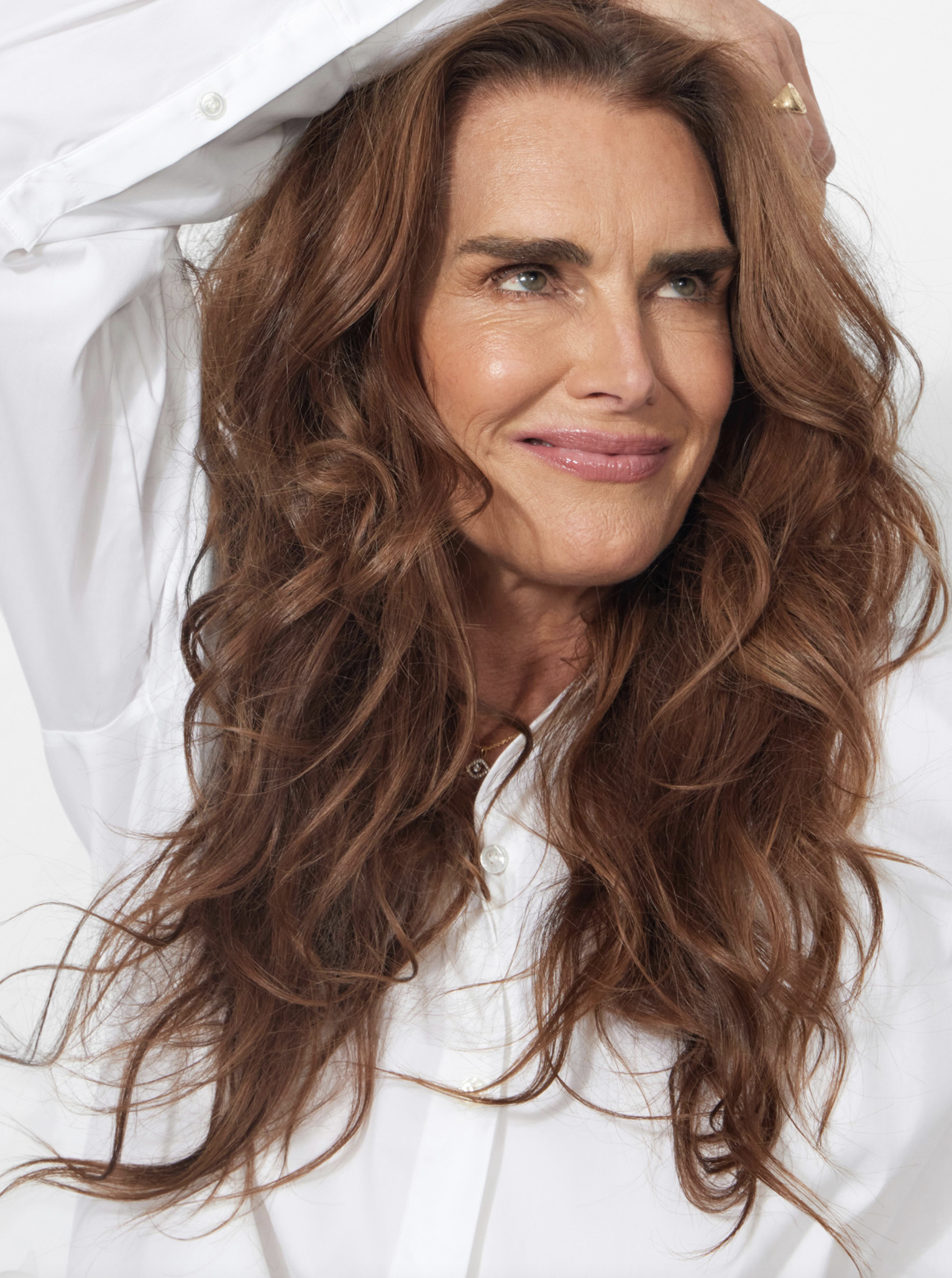
Brooke Shields built her customer base before she had a single product to sell. During the pandemic, she hosted Zoom calls with groups of women talking through what they were experiencing at midlife. The beauty industry, they all agreed, was not marketing to them. So she decided to fix it herself. At 59, she launched Commence: a direct-to-consumer haircare brand specifically formulated for the over-40 scalp. When a venture capitalist told her she would fail in a saturated celebrity beauty market, she did not flinch. She raised approximately £2.6M elsewhere and built it anyway, deliberately keeping the brand small and direct in its earliest stage.
“I can stop you right there — I’m not here for your opinion, I’m here for your money.”Visit Brand
Lucy Goff
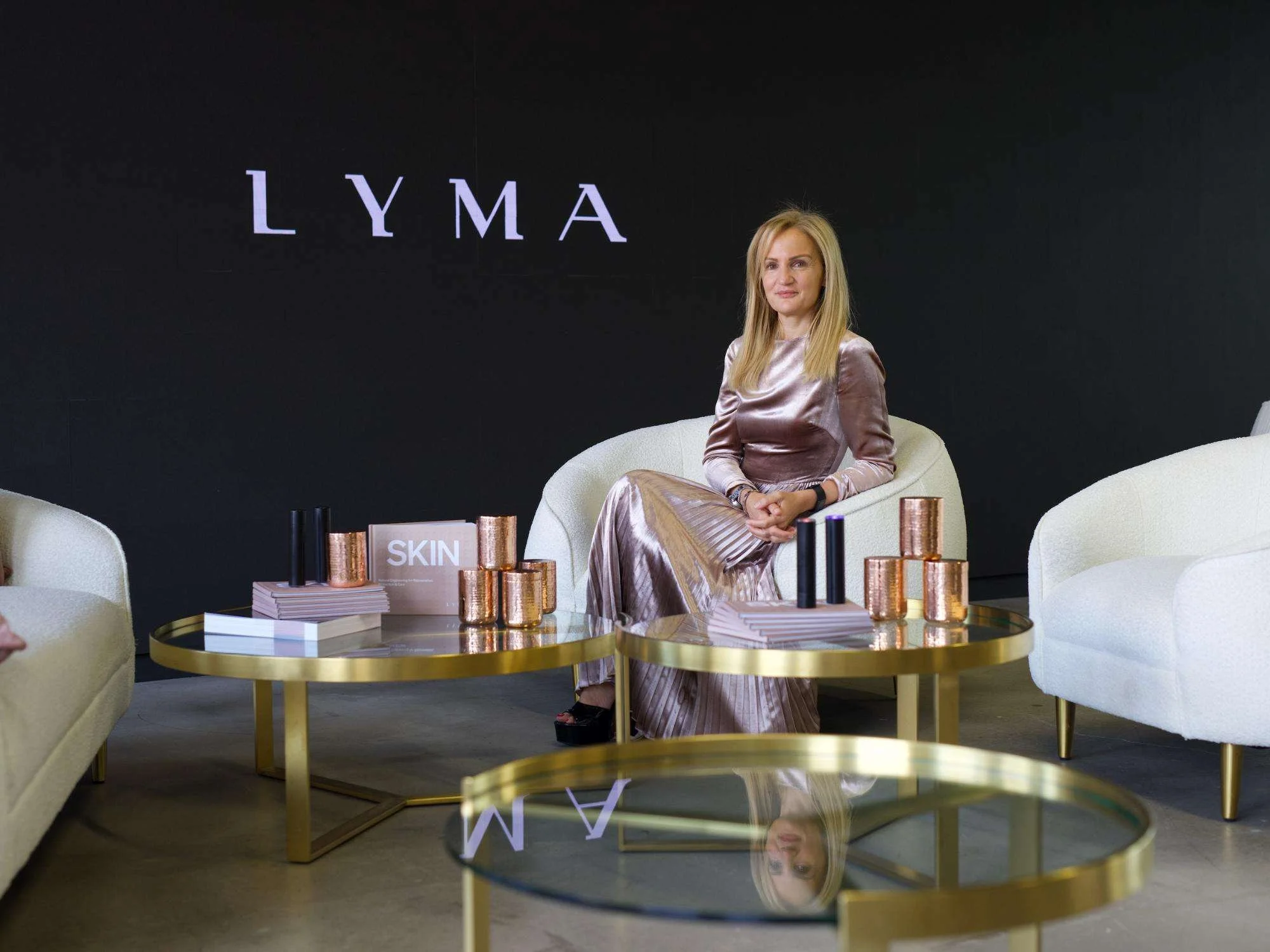
Lucy Goff did not plan to become a wellness entrepreneur. A former journalist and PR professional, she was in her late 30s when a post-natal check revealed septicaemia. Six weeks in intensive care. A clinic in Geneva. A longevity researcher whose supplement protocol changed her life within weeks. LYMA — a luxury wellness brand built around clinically-dosed supplements and a groundbreaking handheld laser device — was born from that experience. She took full control of the company at 50. Time named its laser one of the best inventions of the year, and Forbes placed Goff on its 50 Over 50 list.
“If I’m living proof of one thing, it’s that you’re never too old, and it’s never too late.”Visit Brand
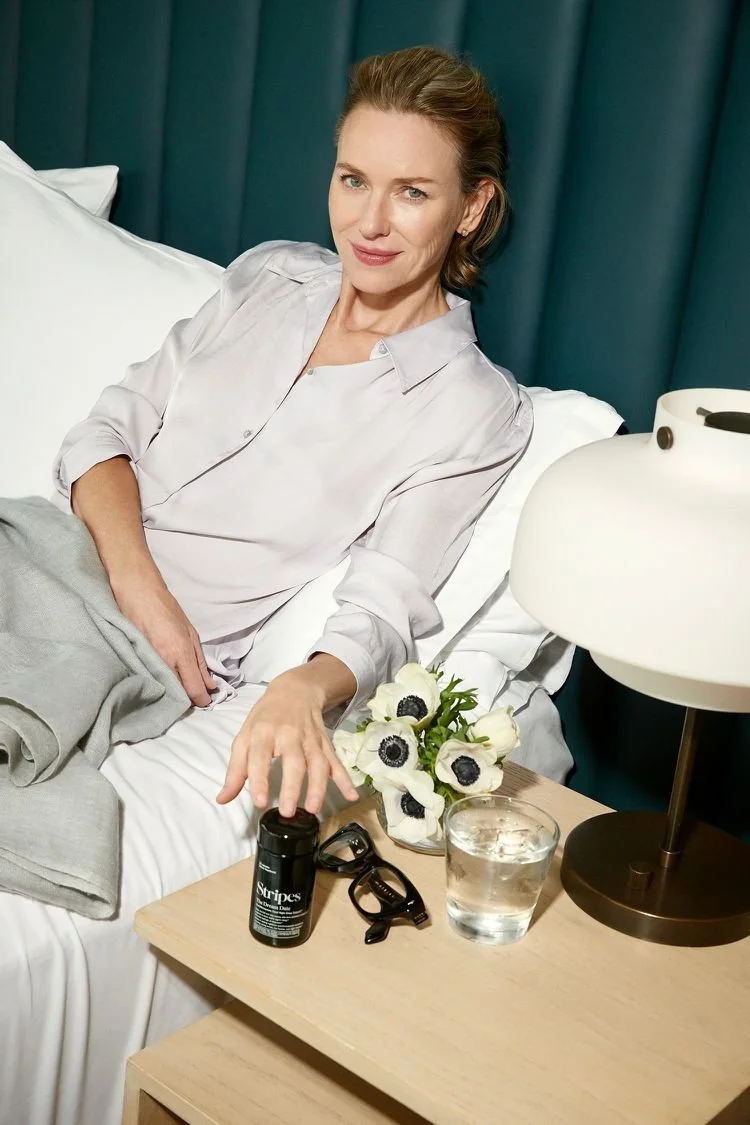
Naomi Watts
Hollywood is notorious for writing women off at 40. So when Naomi Watts launched a brand devoted entirely to menopause at 53, she knew the risk. She had experienced early perimenopause herself — the night sweats, the dry skin, the hormonal chaos — and felt the industry’s deafening silence on the subject. Stripes Beauty launched with science-backed products across skincare, haircare, supplements and vaginal wellness. When its parent company later went bankrupt, Watts bought the brand back at auction for approximately £370,000. It was then acquired by L Catterton, the private equity firm backed by LVMH, and has since grown by 3×.
“The door was cracked a tiny little bit, and everybody came out screaming: ‘Yes, more.’”Visit Brand
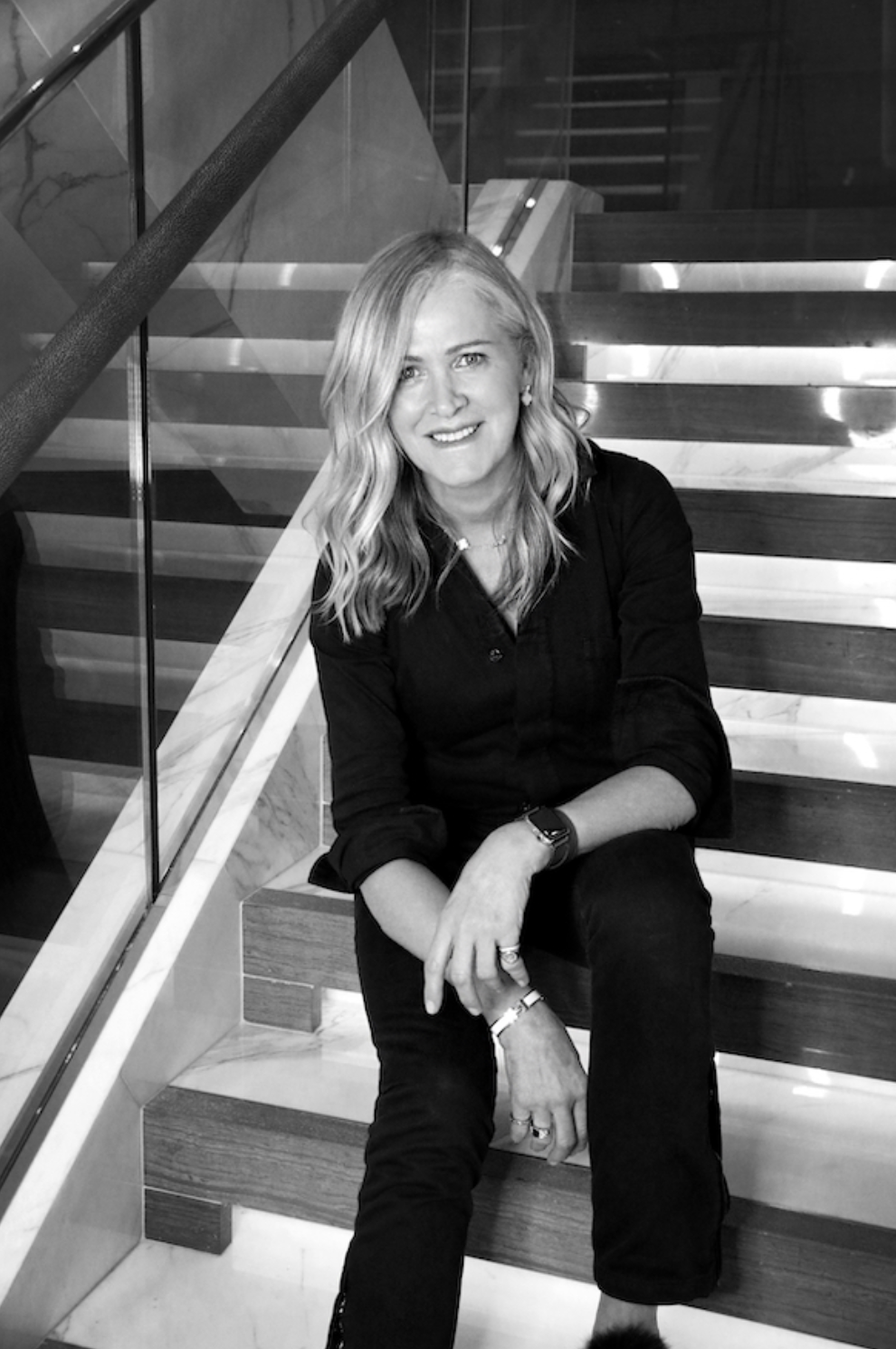
Alexandra Dunhill
At 59, Alexandra Dunhill launched Lady A — a female-focused CBD wellness brand built on a simple but powerful observation: almost no CBD products on the market had been designed by women, for women. Lady A develops supplements, vaping pens and balms specifically optimised for the female body, using the healing properties of plants as its foundation. Dunhill brought decades of entrepreneurial instinct to a category long dominated by men and short on nuance. The name says it all: a company designed to meet women where the broader wellness market had failed to look closely enough.
Visit Brand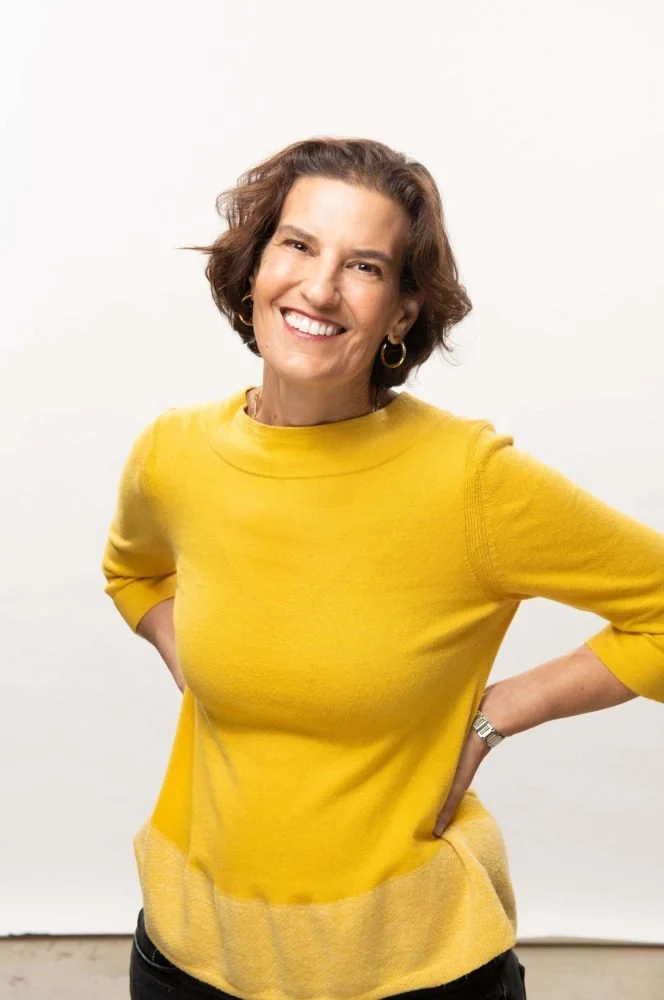
Joanna Strober
It was her own experience of perimenopause — years of unexplained insomnia, weight gain and mood changes that no doctor connected to hormonal transition — that led Joanna Strober to her most consequential venture yet. At 53, she co-founded Midi Health: the first insurance-covered virtual care platform dedicated to perimenopause and menopause in the United States. The premise is radical in its simplicity: that women at midlife deserve expert, evidence-based care, and that the healthcare system’s failure to provide it is a matter of equity. Midi has raised approximately £74M and now serves women across all 50 US states.
“My friends — amazing, ambitious women going full speed ahead — were getting derailed. I got curious, I got angry, and I got moving.”Visit Brand
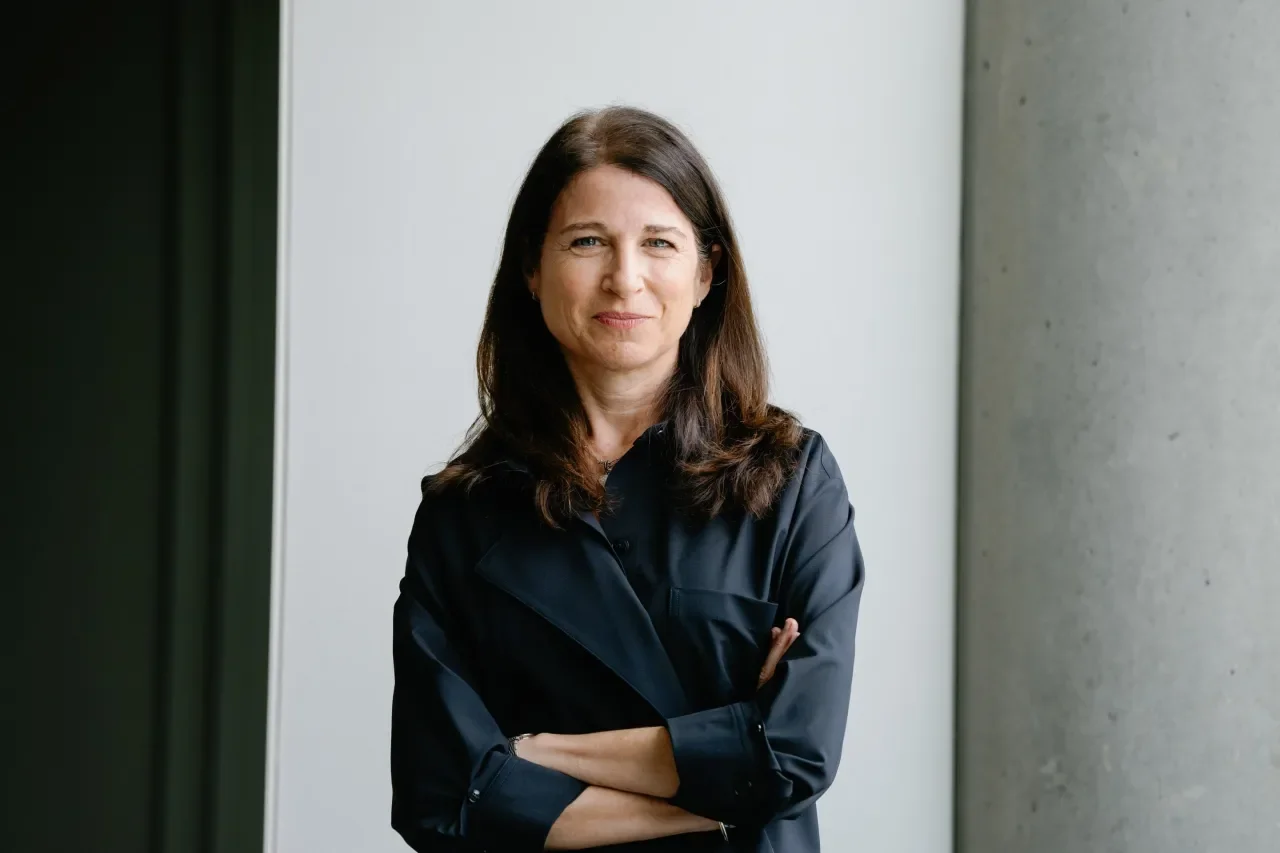
Julie Bornstein
Julie Bornstein has spent her career at the intersection of fashion and technology — from Sephora to Stitch Fix to Urban Outfitters. But it was the arrival of generative AI that gave her the clearest signal yet. At 54, after her previous AI shopping platform was acquired by Pinterest, she co-founded Daydream: an AI-powered fashion discovery and recommendation engine that she believes represents the future of shopping. Bornstein’s advantage is not novelty for novelty’s sake, but the ability to pattern-match across decades of senior leadership, translating fashion instinct into product design. The seed round, approximately £37M, was co-led by Forerunner Ventures and Index Ventures.
“I’m able to pattern match from all of the jobs I’ve had in the past.”Visit Brand
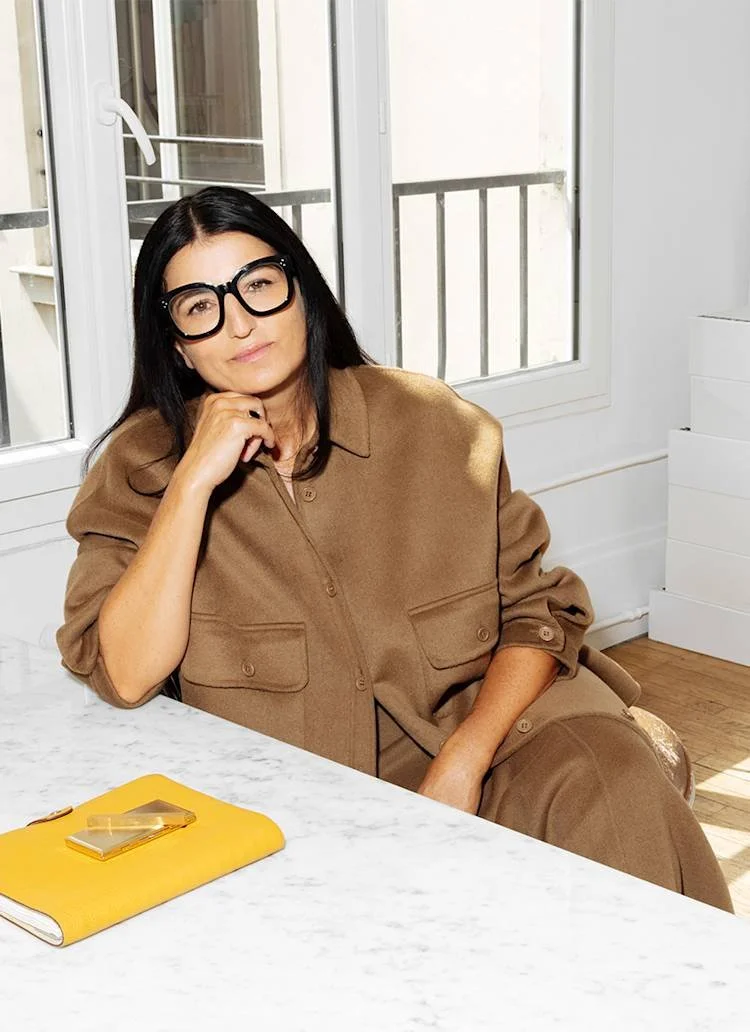
Gaëlle Drevet
Before she became one of the most-bookmarked names in fashion editors’ wardrobes, Gaëlle Drevet was a journalist at ABC News in New York and London. Then she spotted the gap few others had identified: a store for real women with an unapologetic sense of self, unconvinced by the codes and cuts of most fashion being sold to them. The Frankie Shop became a global phenomenon through its unmistakable blend of oversized tailoring, utilitarian ease and disciplined taste. Drevet’s real gift, however, is curation — the rare ability to identify what will feel inevitable only after she has already chosen it.
“You have more experience, and you become more confident about what works for you.”Visit Brand
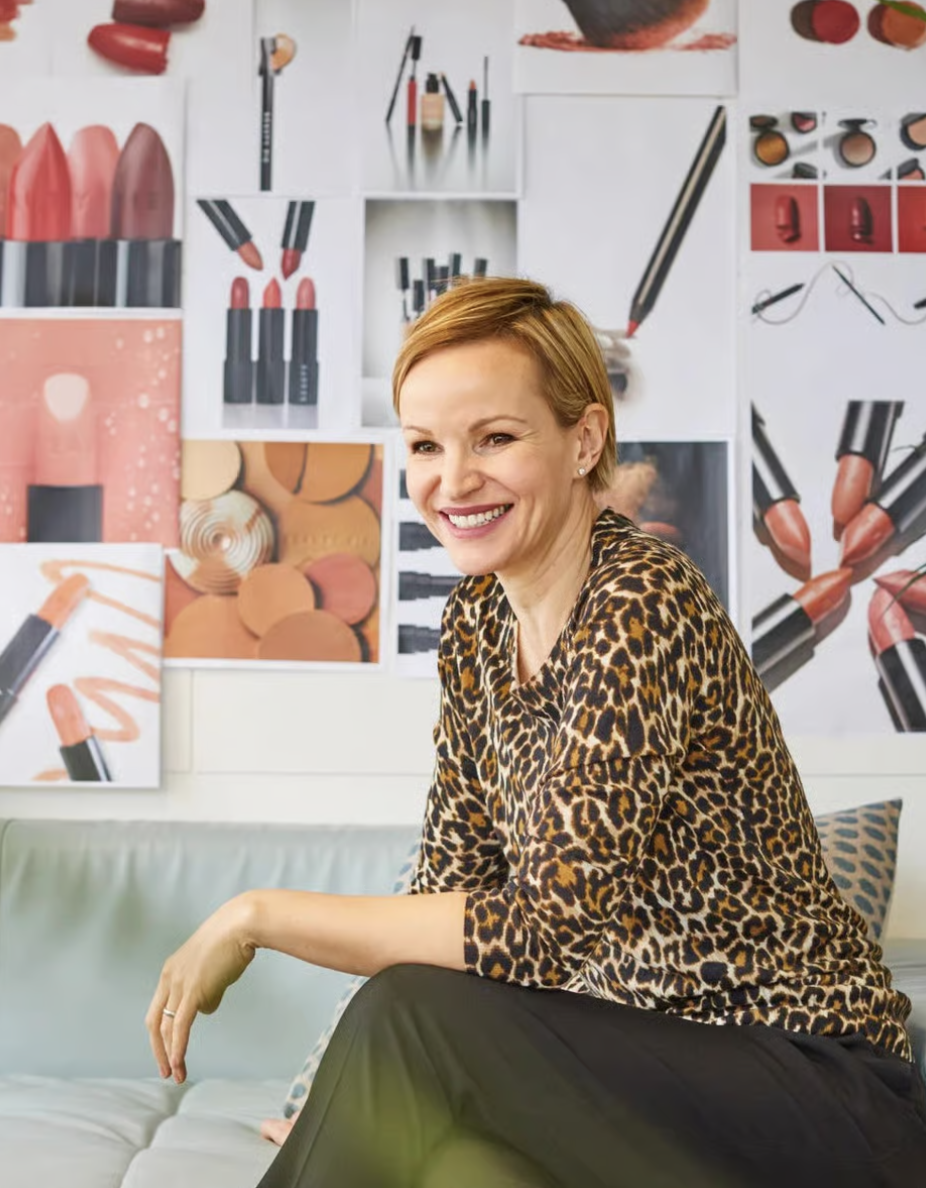
Marcia Kilgore
If entrepreneurship were a sport, Marcia Kilgore would be the most decorated athlete in beauty. She founded Bliss Spa, Soap & Glory, FitFlop and Soaper Duper before building Beauty Pie, her membership-based beauty brand that sells luxury-quality products at factory prices. It is the most audacious idea of an already remarkable career: a business model that challenges the economics and mythology of the premium beauty sector itself. Beauty Pie has raised over £126M and has been called the “Netflix of beauty.” Kilgore was named Entrepreneur of the Year at the World Retail Congress in 2024.
“You shouldn’t have to spend an arm and a leg to moisturise one.”Visit Brand